


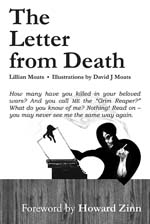
The Letter from Death
(July 1, ‘09 issue of BOOKLIST) “… In her fourth book, Moats performs an astonishing feat. By imagining Death as a patient and suffering entity fluent in human affairs, she broaches matters of daunting complexity with galvanizing directness. … this clarion critique offers an arresting perspective on religion, our “growing militarism,” our “inexhaustible genius for denial,” and our paradoxical failure to nurture our best qualities. … Moats has created a wise, unsettling, and beautiful book.”
Donna Seaman
BOOKLIST
July 1, 2009
Read more »“The Letter from Death” is well worth the read for those seeking political commentary with something fresh mixed in.
Paul T. Vogel
MIDWEST BOOK REVIEW
October 8, 2009
Read more »“‘Death’ is our guide in Moats’ elegant exploration of imagined and constructed hells, the former deriving from pre- and early Christian theological concepts, the latter from medieval and modern military technology. … The Moats collaboration is truly successful, thought and art are admirably matched …
Peter Skinner
FOREWORD MAGAZINE
August, 2009
Read more »“… Lillian Moats’ The Letter from Death is a unique and resounding monologue, a brilliant distillation, a portal into our collective soul. A poetic manifesto. A courageous and beautiful book.”
Donna Seaman
Book Critic for "Eight-Forty-Eight"
"Eight-Forty-Eight" on Chicago Public Radio
Sept 3, 2009
Read more »Click on link to hear Donna Seaman’s entertaining audio review of The Letter from Death for Chicago Public Radio
“This is such a wonderful, book, a pleasure to read. It is not long and can be read in two hours - but be prepared to have its words linger in your mind for at least the rest of the day. Once read, this book is likely to return to haunt you. …”
Hande Z
Book Reviewer for Amazon
Amazon
November 1, 2009
Read more »“The Letter from Death is an intelligent and delightful exploration of the human comic tragedy. It has the light flavor, wit, and prick of Praise of Folly and Screwtape Letters but the deep insights and jabs come more from the perspective of Epicurus. This is a book that thoughtful people will want to give to thoughtful friends.”
Philip Regal
Author of The Anatomy of Judgment, Professor Emeritus, University of Minnesota
“The Letter from Death warns of the senseless killing in war and should inspire peace to protect the living.”
Benjamin B. Ferencz
former Nuremberg war crimes prosecutor
“What could be more provocative than a letter from death? Lillian Moats’ courageous tour de force invites us to see our own destructiveness, the world’s human-created horrors, from death’s point of view, as it sets the record straight before falling silent. Neither a terrifying force nor a gateway to justice, death protests against being used as history’s bad guy and humanity’s worst nightmare — warning humans against our addiction to war, agitating us to turn, while we still can, to face our real problems.”
Ronald Aronson
Author of Living Without God: New Directions for Atheists, Agnostics, Secularists, and the Undecided
The Letter from Death is exquisite–acutely imagined, well-crafted, vivid, simultaneously transcendent and focused. Who better than Death to explain the addiction of the death culture? Who better able to document the horror? What a book! It deserves a large, large audience.
William Ayers
Distinguished Professor of Education, University of Illinois at Chicago
Read more »I devoured this book. Lillian Moats brilliantly makes Death the narrator of a tour through hell and war, which are both rooted in fear itself. We hear of the litany of hells that religion has invented to scare us into blind obedience. Filled with punch lines that make you laugh and cry, The Letter from Death shows the hell of war that in the end is as horrible as the medieval worms and fire of the Christian church’s imagined afterlife. But by the end of the book we see Death as the empathetic curator of humanity’s most precious yearnings for life, while the warmongers among us turn out to be the real Grim Reapers of death.
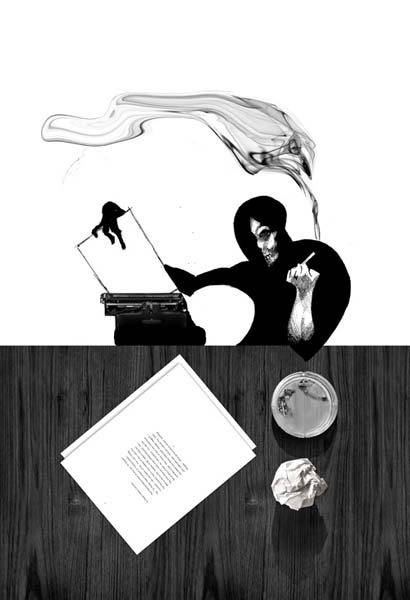
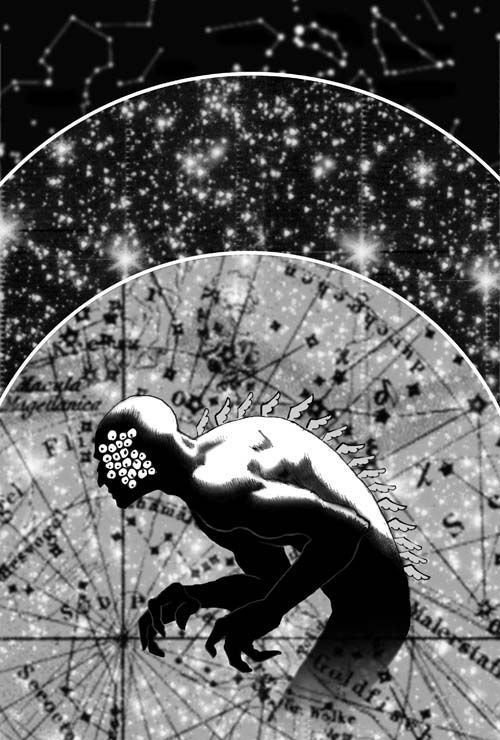
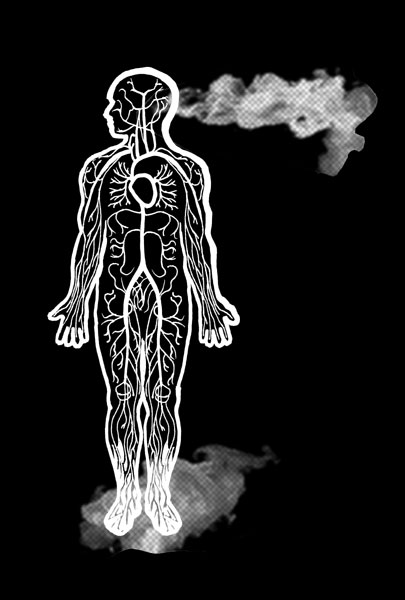
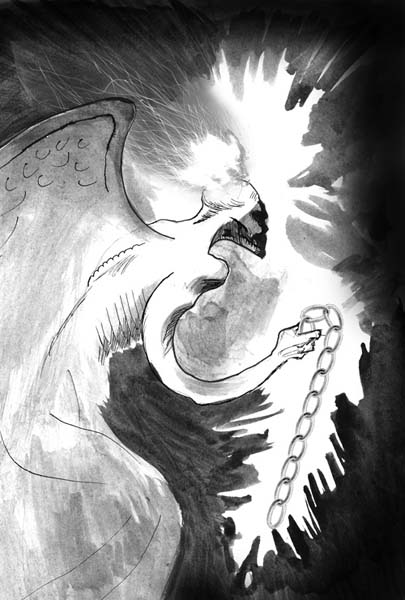
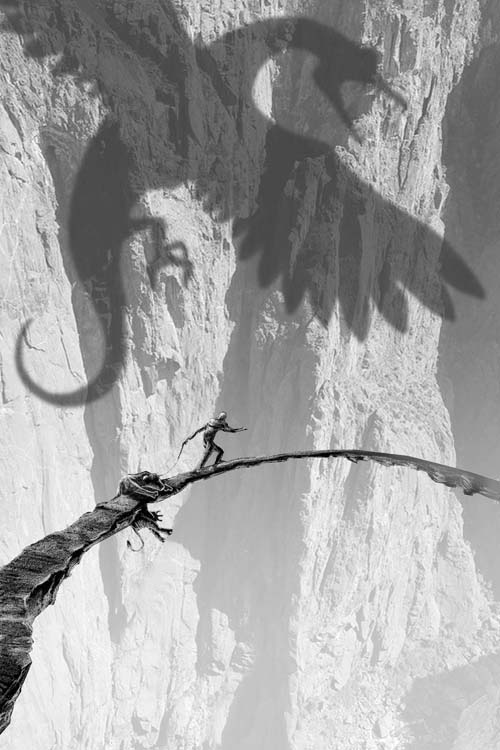
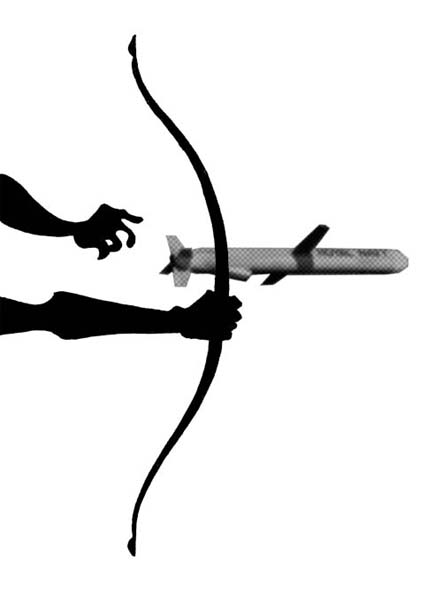
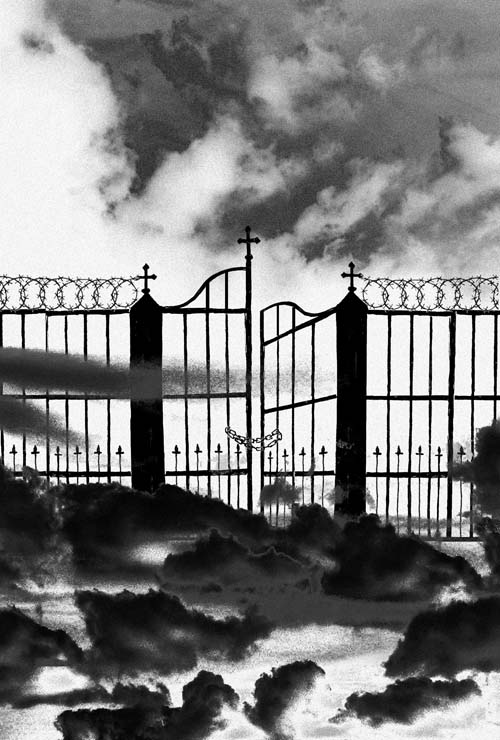
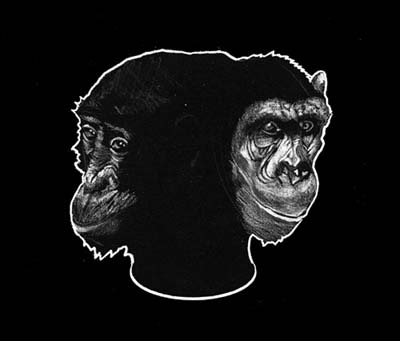
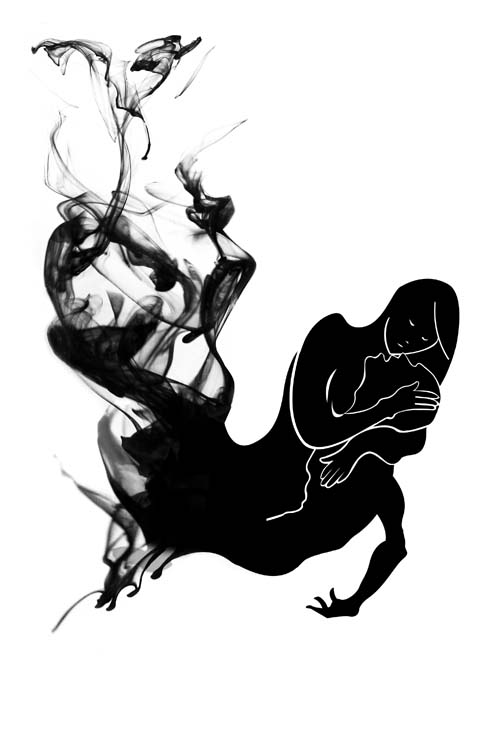
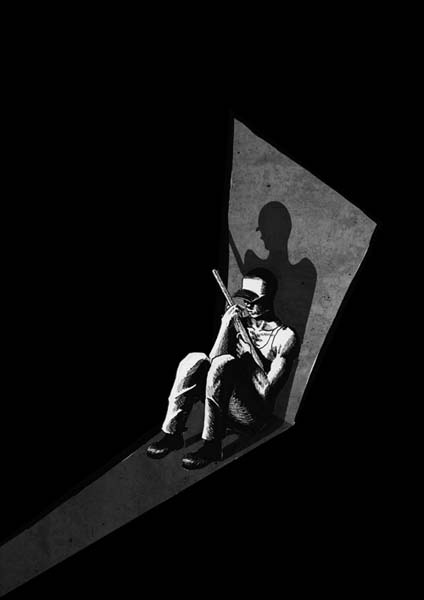
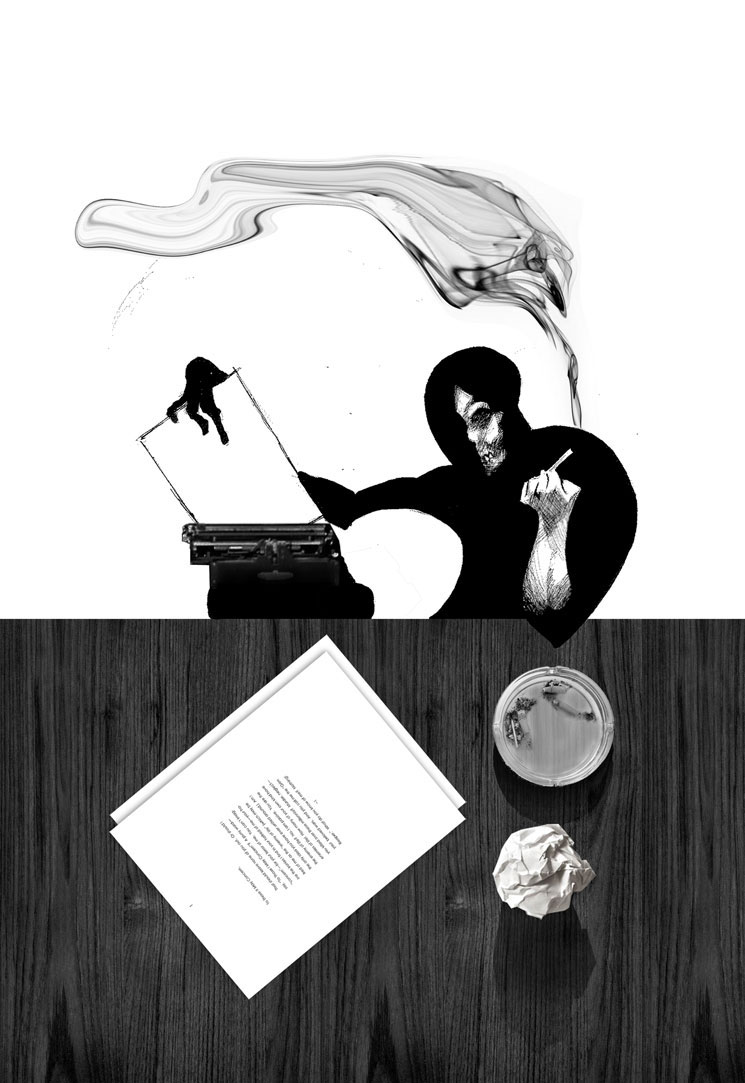
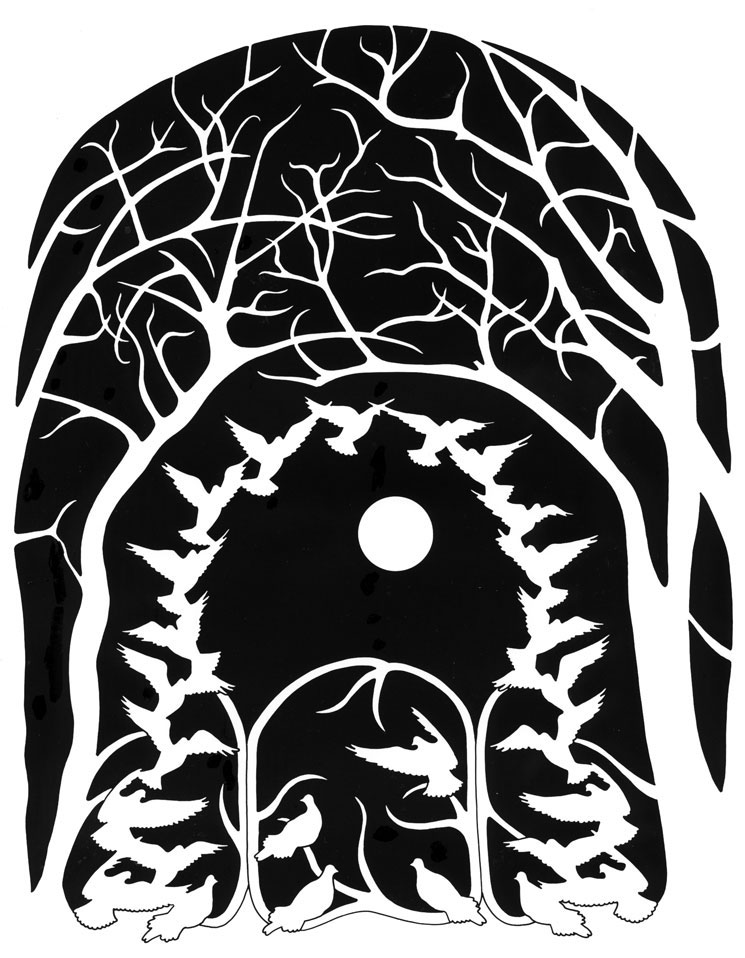
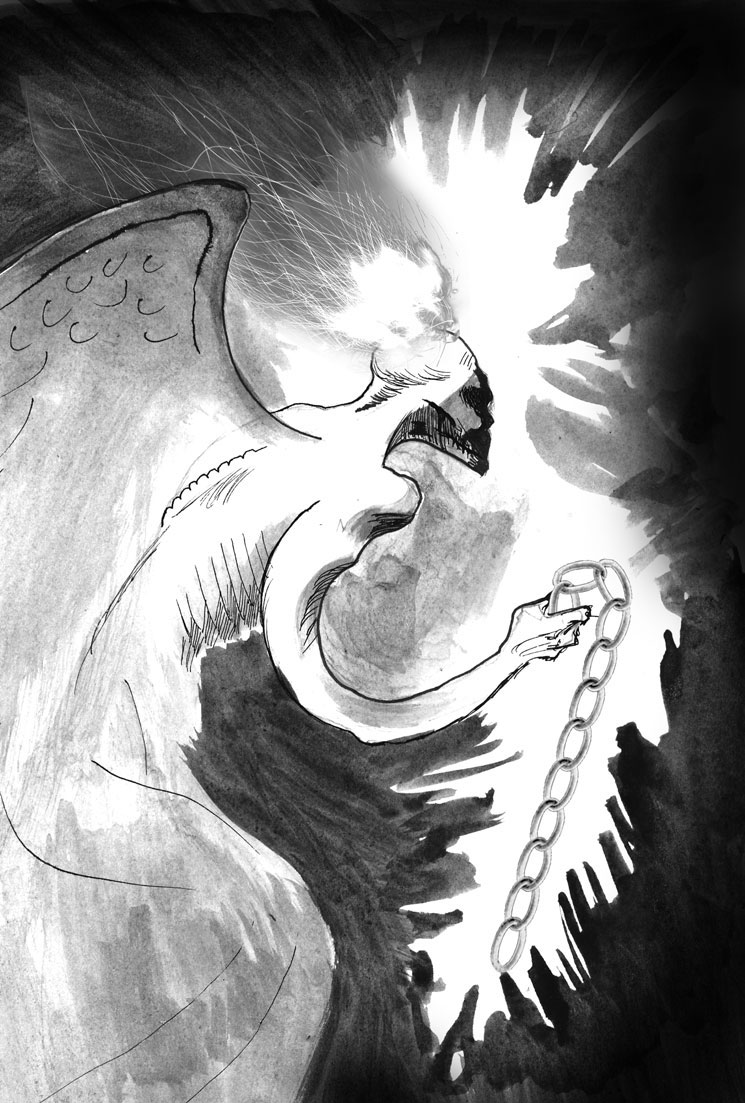
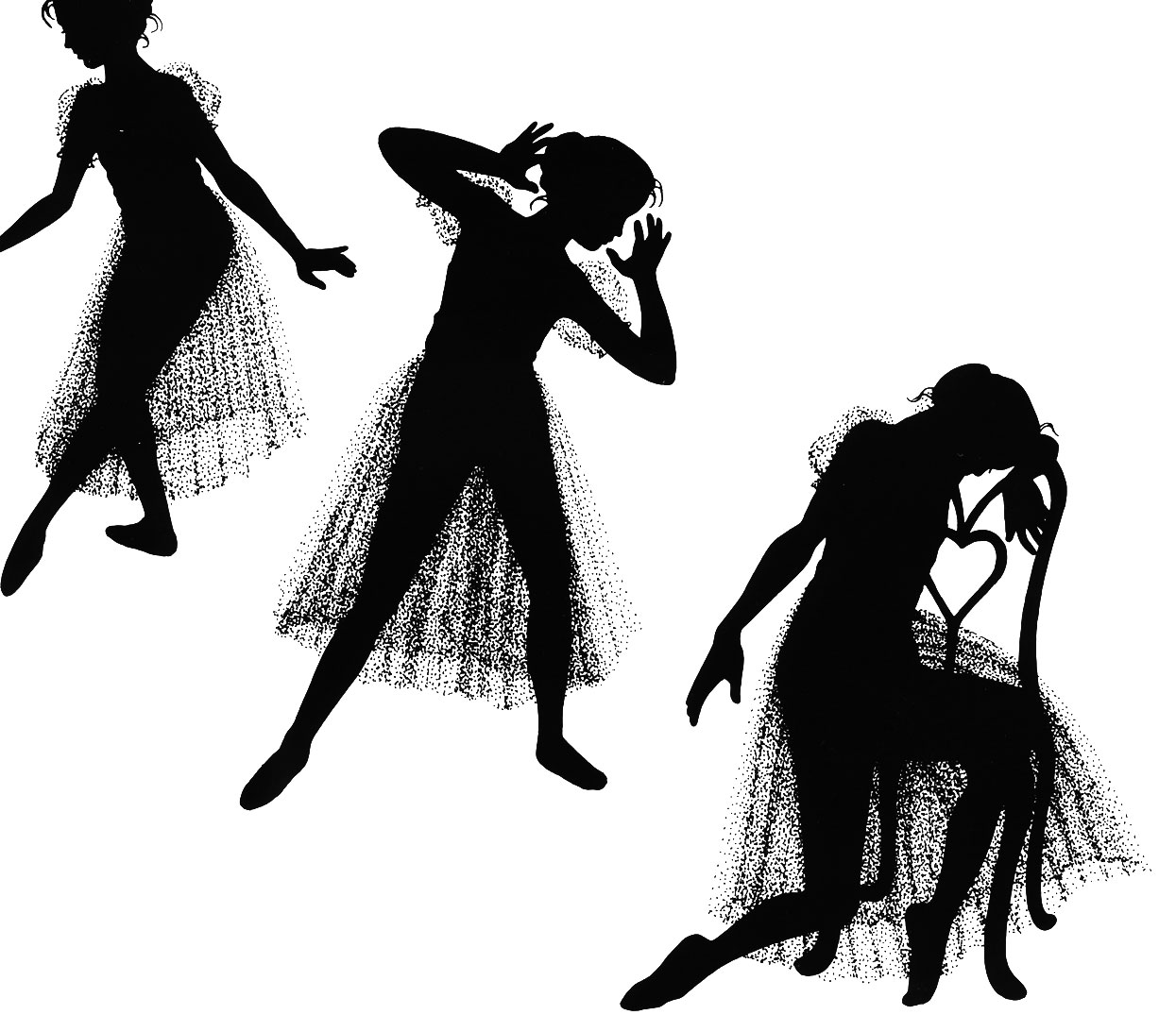
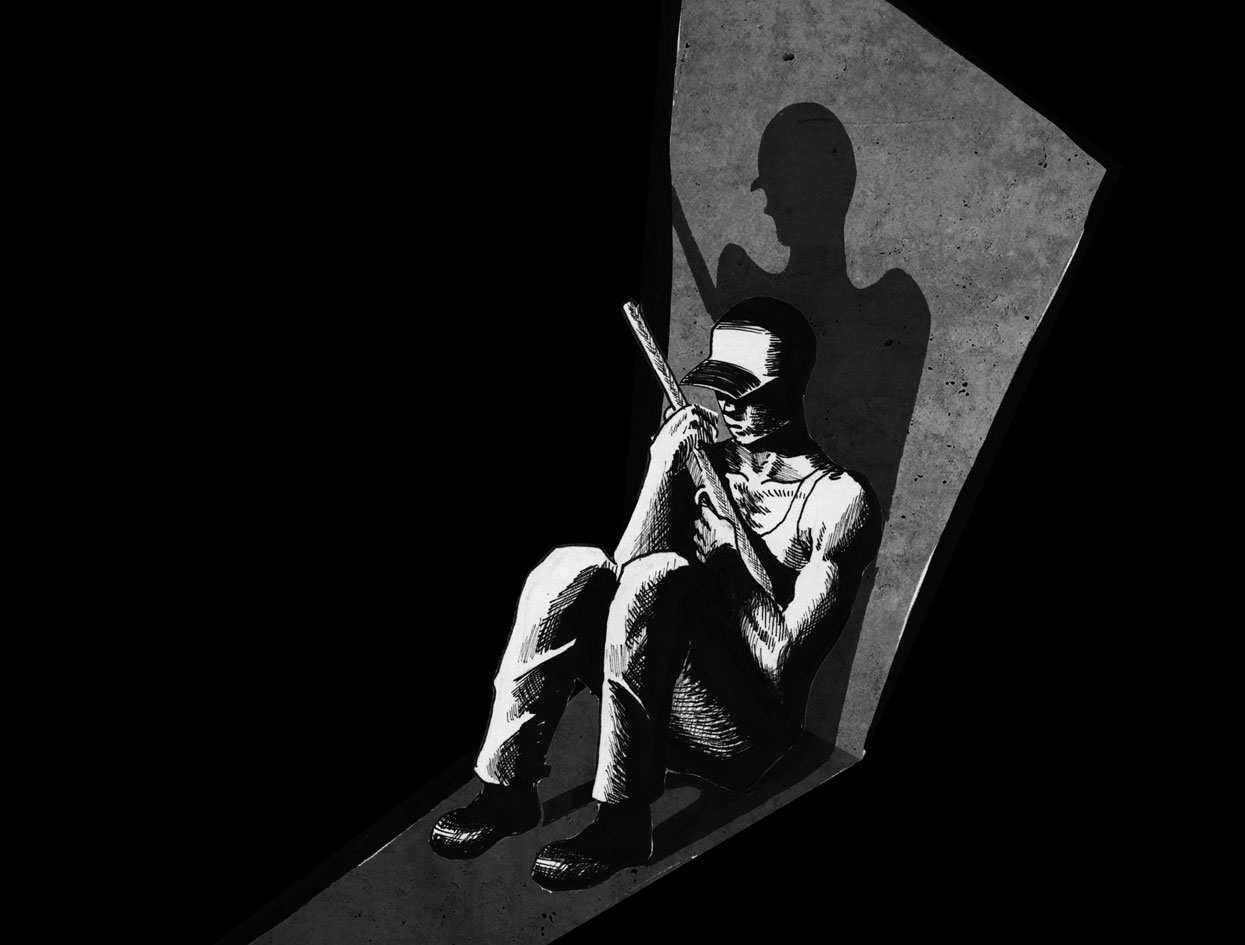
Read this book and you will look at death–and life in a newly liberated way. David Moats’ illustrations, sometimes chilling, always provocative, make the imagination glow.
Michael McConnell
Regional Director, American Friends Service Committee
“Lillian Moats does a remarkable job of bringing Death to life in The Letter from Death. In addition to getting a brief history of hell and how death has been perceived in many cultures, the reader finds questions that will certainly lead to many thought-provoking discussions. Oddly enough, I finished this book with a smile and a sense of optimism. I’m confident others will feel the same.”
Hemant Mehta
author, I Sold My Soul on eBay
“Author and artist Lillian Moats has, once again, provided us with imaginative insight on the human condition, this time with intuitive irony about one of the greatest mysteries we face: death. In The Letter from Death, a slim volume of poetic prose, Death comes alive to comment on the historic panoply of human images of death and to contrast them with a personal understanding of this dreaded existential event. This is not a mere letter, rather, it is surely a love letter — one that urges and inspires us to stop creating horrors worse than death and to care for one another.”
William H. Schubert
Professor of Education and University Scholar, University of Illinois at Chicago
“In The Letter from Death, Lillian Moats paints evolving and gripping narratives about death, with humanistic passion, poetic imagination, and cultural empathy.”
Ming Fang He
Author of A River Forever Flowing and Exile Curriculum
“The Letter from Death is cogent, profound, relevant, and needed. Moats deserves thanks and congratulations for confronting the subject of death head on - eloquently realistically, and rationally - and for her remarkable combination of pessimism and optimism. Her readers will be challenged, and the thinking of some, changed.”
Kathleen E. McCrone
Professor Emeritus of History, University of Windsor

Three Arts Press is an expression of creative independence and
interdependence - independence from the world of commercial publishing and
interdependence among creative colleagues who have worked together for many
years. It aspires to the standards of fine bookmaking and design once
practiced by artisan presses.