


"Eight-Forty-Eight" on Chicago Public Radio
Donna Seaman reviews The Letter from Death by Lillian Moats for Eight-Forty-Eight on Chicago Public Radio
Sept 3, 20009
Novels-in-letters, or essays in letter form, are direct, intimate, and powerful. When the correspondent serves as mentor, literary letters also become the perfect vehicles for observations, teachings, and inspiration.
Chicago-area artist, filmmaker, and writer Lillian Moats has used the novel-in-letter form to astonishing effect in her new book, The Letter from Death, a philosophical and profoundly illuminating book not unlike C. S. Lewis’ The Screwtape Letters in its purposefully topsy-turvy approach. In Moats’ book, Death is not the terrifying, malevolent force you might expect, but rather a wise, all-seeing entity trying to awaken us to the errors of our violent ways. The spiritual resonance of The Letter from Death aligns it with Rilke’s cherished Letters to a Young Poet, while the expansive perspective Moats achieves, and her passionate call for reason and peace are akin to The Creation: An Appeal to Save Life on Earth, in which the famed biologist Edward. O. Wilson addresses letters to “Dear Pastor” in a quest to unite religion and science in order to save nature. Wilson is commonsensical and ardent, as is Lillian Moats. But Moats is also mischievous as she makes a phenomenal leap of the imagination and writes from Death’s point of view.
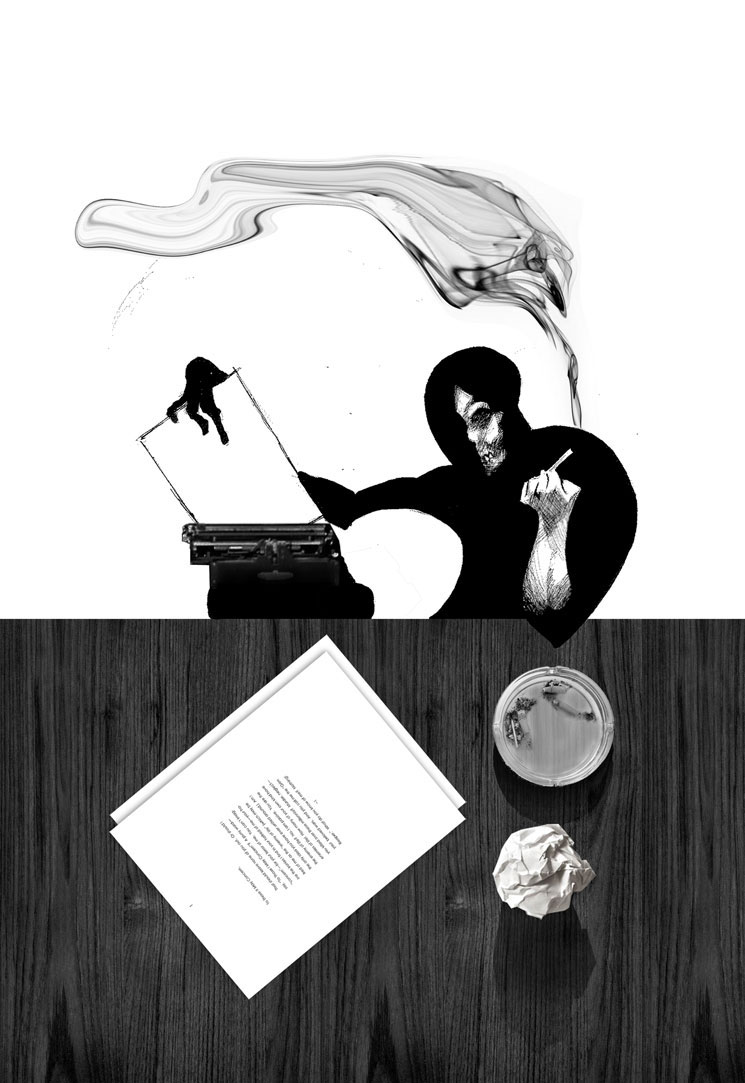
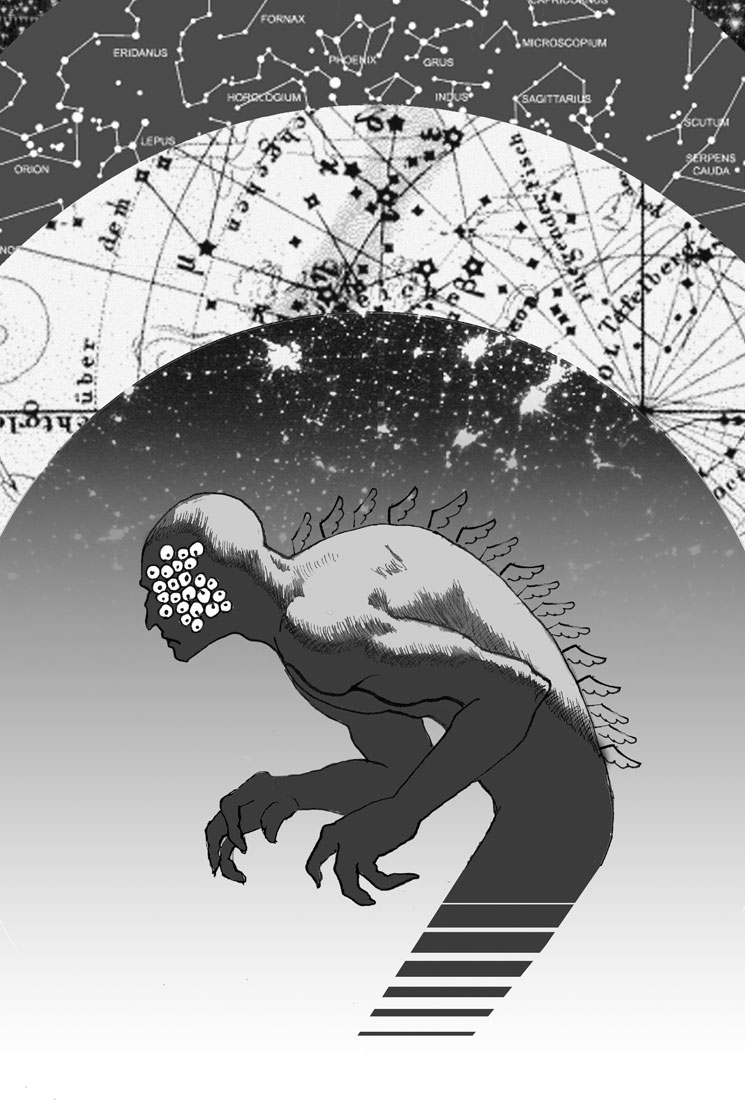
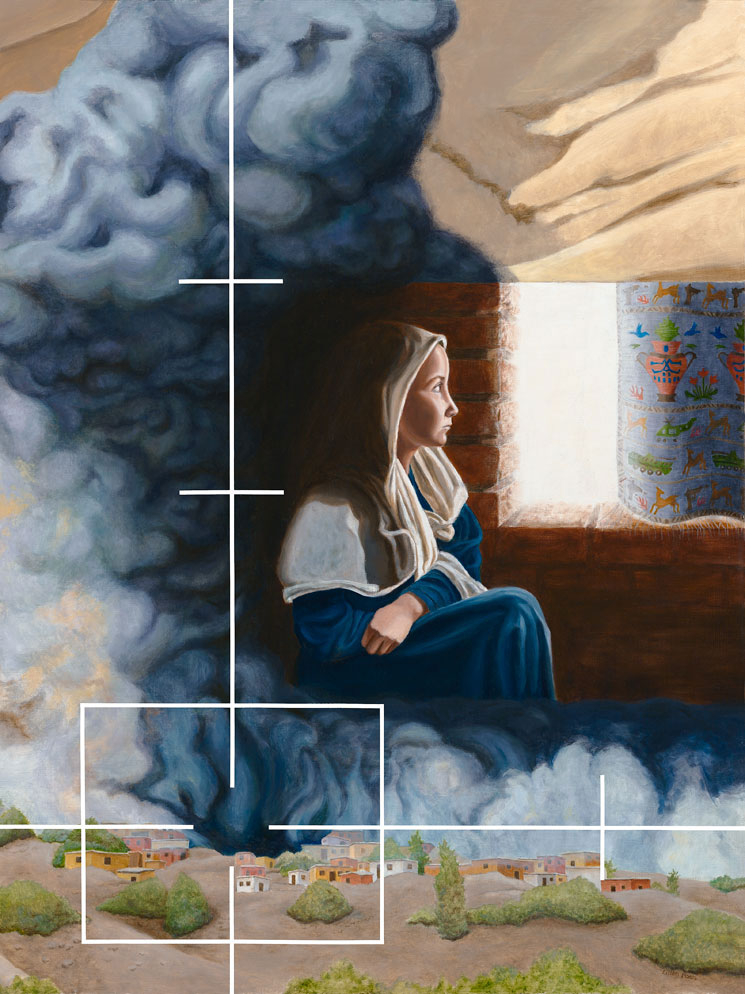
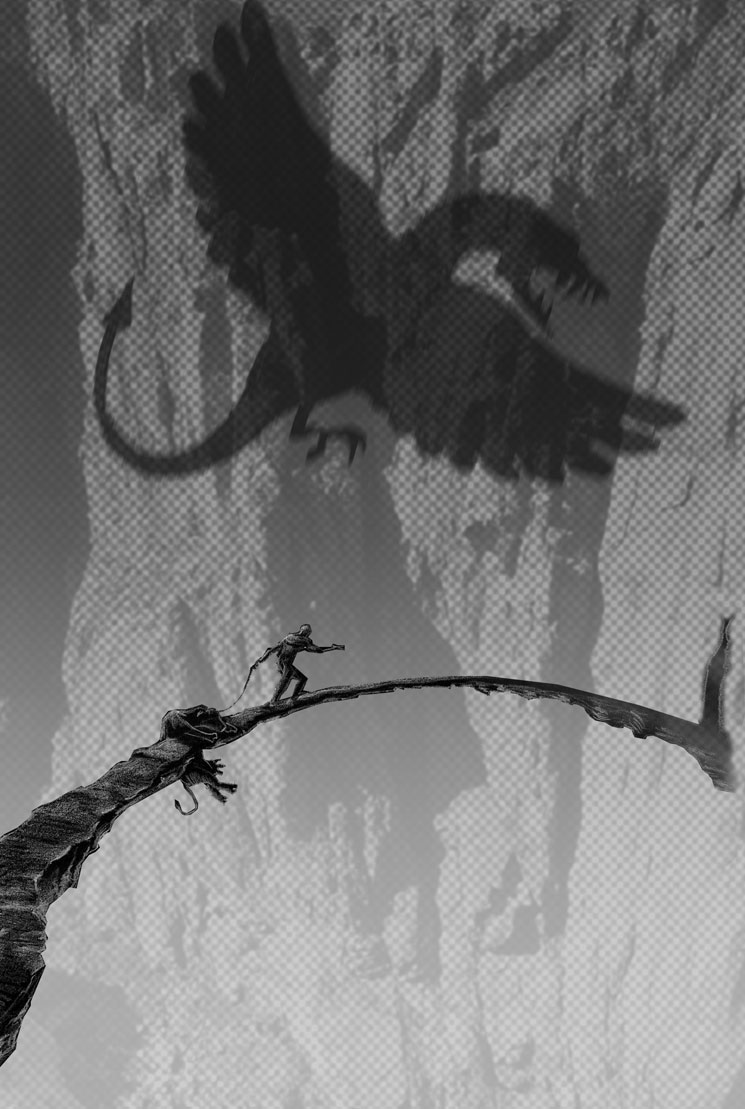
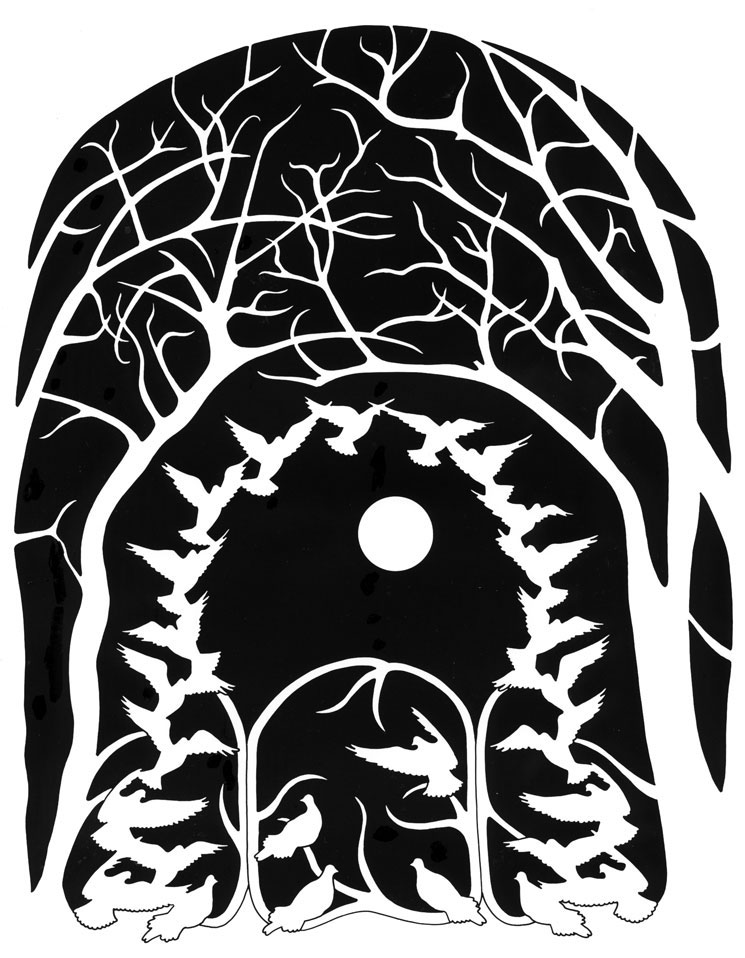
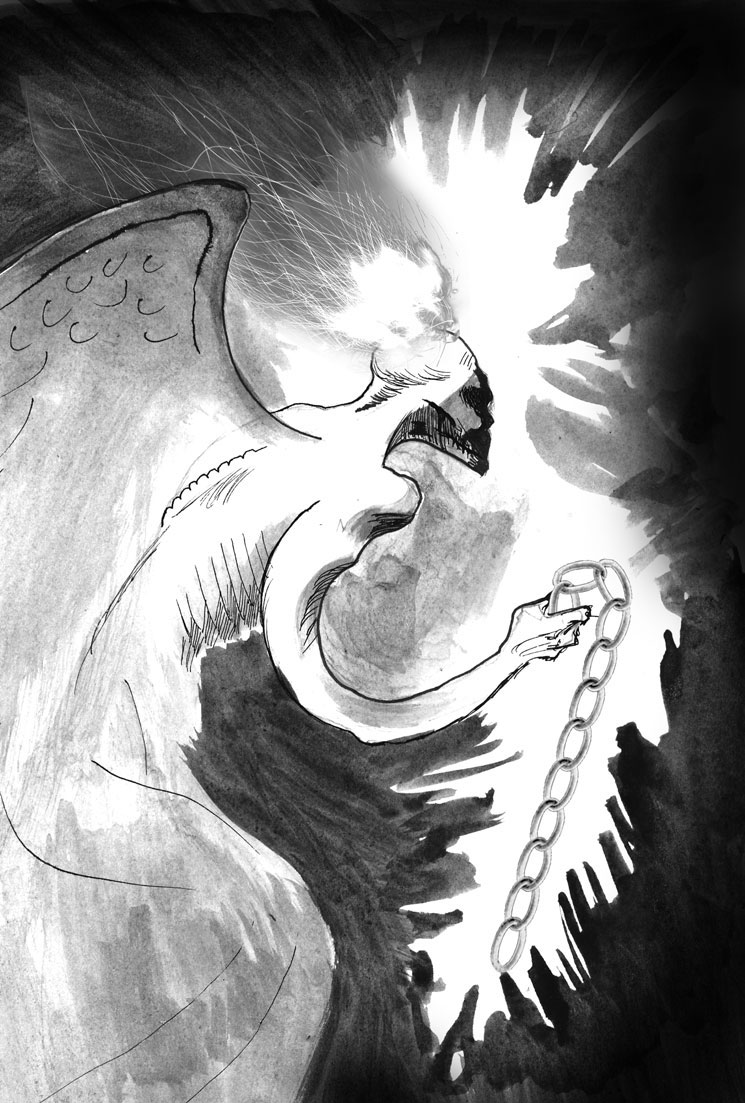
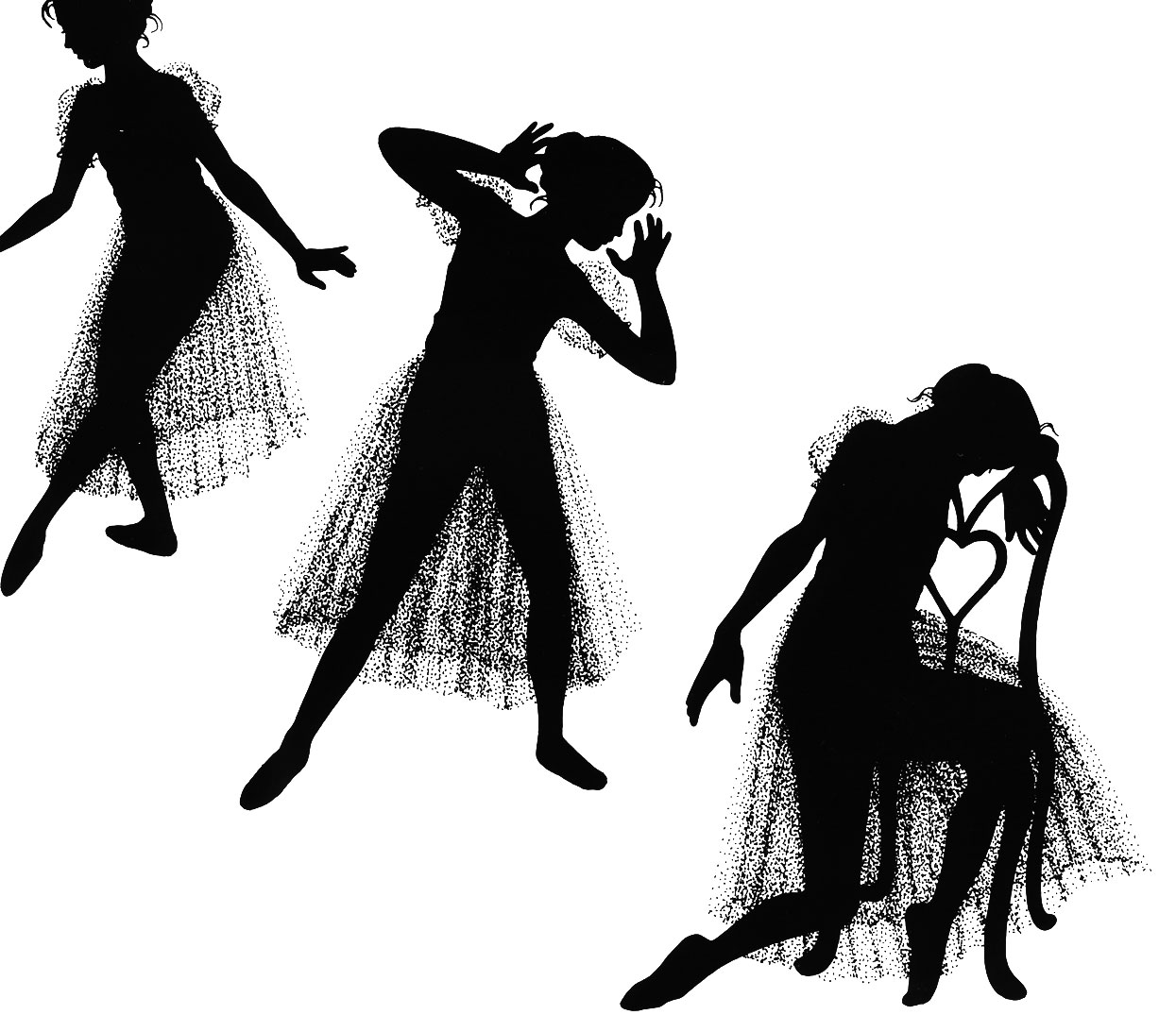
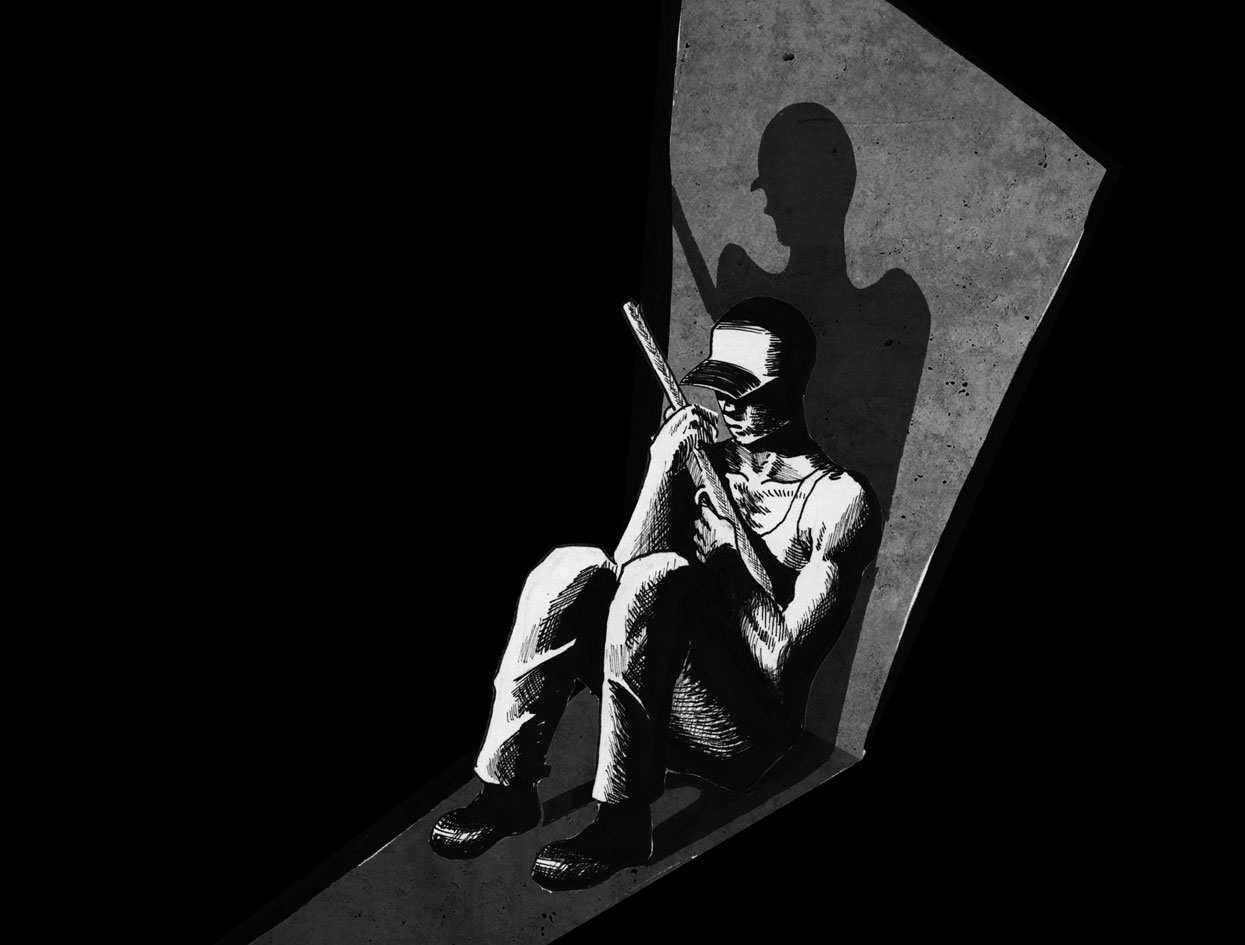
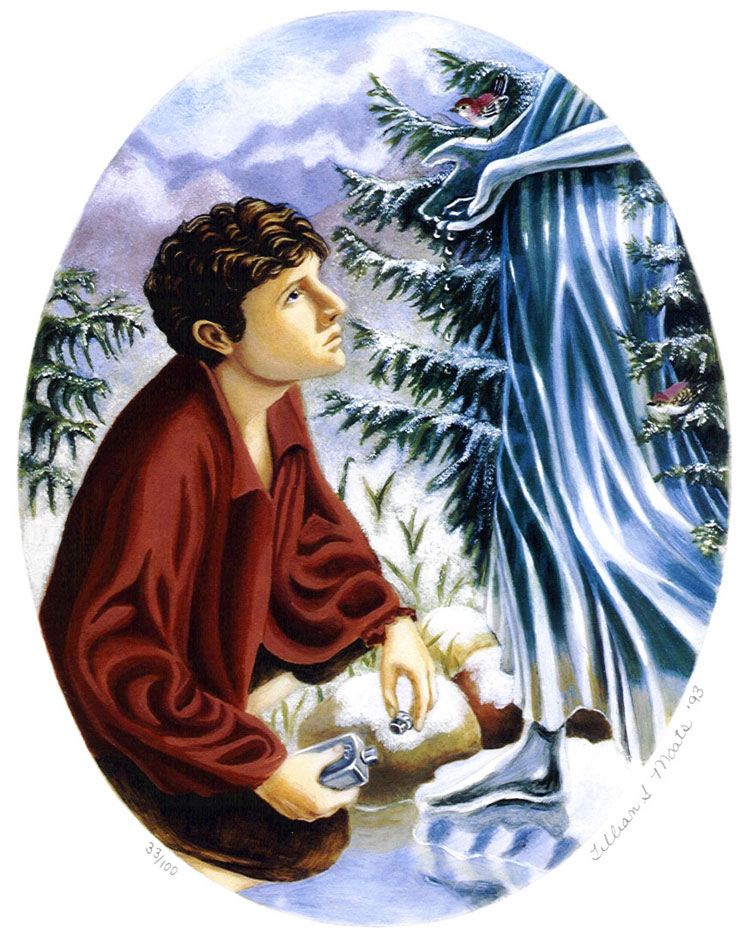
Here’s the opening page in this handsomely designed book, which is boldly illustrated by David Moats, Lillian’s son.
“To Those It May Concern,
That should leave none of you out. Or should I say, “To Those I May Concern”? A puny word––“concern”––for your terror of me. You can’t imagine the ironies I find in your hatred of me––your hatred of me as the “enemy of life” (which may be the only idea you have ever united around). Am I the enemy of life? No. I am passive. You are the enemies of life! How many of your own kind have you killed over these millennia? Murder, neglect––your beloved wars. And you call me the “Grim Reaper.” What do you know of me? Nothing!”
What do we learn of Death? That Death is scornful of all the “vile gods, goddesses, angels, and lords” humankind has envisioned as embodying Death. Death has had it with our blaming him, her, or it for our grotesque visions of hell, our horrific habit of war. Death writes, “You tried to pass off your perversity as mine. Why have you tormented yourselves––why have you insulted me––with such fantasies?”
Moats not only has Death decry the brutality and senselessness of war, she also envisions Death as a cosmic being who has always been with us, keeping close watch, assimilating our feelings, and evolving right along with us as we create more catastrophic weapons and escalate the reach and consequences of war. Death says frankly, “It is the resulting destructiveness of your species that I find most abhorrent.” How strange and bracing it is to have Death castigating us for our growing militarism, and our enslavement to fear. Death writes,
“What on earth have you been thinking of? Are you not inherently vulnerable? Did you have to invent unnatural horrors? Droughts were not enough for you? Nor floods, nor hurricanes? Famine was not enough? Infestations, pandemics? Were the inescapable diminishments of aging not enough to make you face the frailty you all share?”
Death tells us that we have “an inexhaustible genius for denial.”
Lillian Moats portrays Death as enraged and righteously indignant. Tender and despairing. Death rejects as simplistic the terms “good” and “evil,” and notes that we’re capable of both, depending on the circumstances.
What does Death do when we die? Death writes, “My work is something like listening, though of course it is not sound you release to me. I draw in your conscious and unconscious history, the imaginative worlds within you, the ideas that drove you.” In Moats’ poignant novel-in-letters, Death is infused with our longings, our fears, and our love. Death would not have written to us if Death did not also feel hope.
Moats’ conception of Death as a caring and wise entity is provocative, even shocking, and utterly convincing because her finely realized vision is firmly rooted in extensive research into religious and military history, as evident in the bibliography she generously includes. Lillian Moats’ The Letter from Death is a unique and resounding monologue, a brilliant distillation, a portal into our collective soul. A poetic manifesto. A courageous and beautiful book.
Donna Seaman
Donna Seaman
Book Critic for "Eight-Forty-Eight"
"Eight-Forty-Eight" on Chicago Public Radio
Sept 3, 2009
 Three Arts Press is an expression of creative independence and
interdependence - independence from the world of commercial publishing and
interdependence among creative colleagues who have worked together for many
years. It aspires to the standards of fine bookmaking and design once
practiced by artisan presses.
Three Arts Press is an expression of creative independence and
interdependence - independence from the world of commercial publishing and
interdependence among creative colleagues who have worked together for many
years. It aspires to the standards of fine bookmaking and design once
practiced by artisan presses.